

best commercial auto policy: Save Money & Get Cheap Quotes | Your Ultimate Guide
February 6, 2026 | by Waassla Research Team
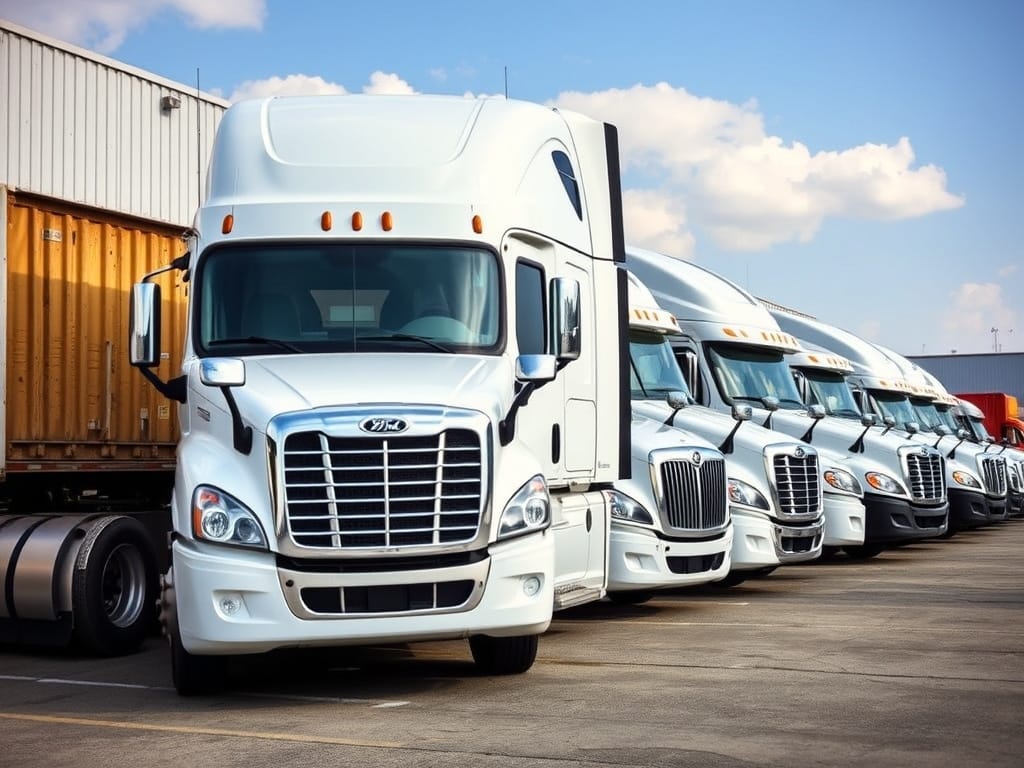
Navigating the complexities of commercial auto insurance can feel like a minefield. You’re likely asking: “What’s the best commercial auto policy for my business in 2026?” It’s a crucial question, and finding the right answer means protecting your assets and avoiding costly surprises. Many business owners feel overwhelmed by jargon and the sheer number of options.
We’re here to cut through the noise. This guide will equip you with the knowledge to secure the best commercial auto policy, understand current costs, and meet legal requirements. Think of this as your roadmap to peace of mind on the road.
Common Challenges with best commercial auto policy
Discussions in online forums and with clients reveal common pain points when seeking the best commercial auto policy. One recurring theme is the perceived complexity and lack of transparency in pricing. Business owners often feel they’re paying more than they should without understanding why.
Another significant frustration is dealing with insufficient coverage. Many small businesses discover too late that their standard auto policy doesn’t extend to business use, leaving them exposed to significant financial risk after an accident. This can lead to devastating out-of-pocket expenses and even business closure.
Finally, the sheer time commitment involved in shopping for insurance is a major hurdle. Comparing multiple quotes from different providers, understanding policy details, and ensuring compliance with state laws can feel like a full-time job. This often leads to rushed decisions and less-than-optimal policy choices for the best commercial auto policy.
Understanding Commercial Auto Insurance Costs in 2026
The cost of a best commercial auto policy can vary significantly, but understanding the averages provides a crucial starting point for budgeting. For small businesses, expect monthly premiums to range considerably. These figures are estimates and can fluctuate based on numerous factors.
| Coverage Type | Monthly Cost (Low Estimate) | Monthly Cost (High Estimate) | Ideal For |
|---|---|---|---|
| General Liability (often bundled) | $50 | $150+ | Businesses with moderate risk, covering third-party property damage. |
| Collision | $75 | $250+ | Businesses needing to repair their own vehicles after an accident. |
| Comprehensive | $50 | $150+ | Covers damage from non-collision events (theft, vandalism, weather). |
| Uninsured/Underinsured Motorist | $25 | $75+ | Protects you if the at-fault driver has no or insufficient insurance. |
Remember, the average cost for small businesses is around $147 per month, or $1,762 annually. However, this is just a benchmark. The actual price for your best commercial auto policy will depend on your specific business, vehicle types, driving history, and coverage limits.
State Requirements for best commercial auto policy
Each state has its own minimum insurance requirements for commercial vehicles. These are legal mandates designed to ensure that drivers have some financial recourse in the event of an accident. Failing to meet these requirements can result in hefty fines, license suspension, and even vehicle impoundment.
For instance, many states require a minimum of $500,000 in liability coverage for commercial vehicles. However, some insurers offer coverage up to $1 million or more, which is a wise choice for businesses with higher risk profiles or valuable assets. It’s essential to research your specific state’s regulations to ensure your best commercial auto policy complies fully.
You can find detailed information on state-specific requirements on the National Conference of State Legislatures website, a reliable source for legislative data across the U.S.: National Conference of State Legislatures. Understanding these mandates is a critical step in securing the best commercial auto policy.
Step-by-Step Coverage Guide
Choosing the right coverage is paramount to finding the best commercial auto policy. It’s not a one-size-fits-all solution. We’ll break down the essential components to consider.

- Liability Coverage: This is the foundation of any commercial auto policy. It covers damages and injuries you cause to others in an accident. It’s typically split into bodily injury liability and property damage liability. Many insurers require at least $500,000 in liability coverage, with higher limits available for added protection.
- Collision Coverage: If your business vehicle is damaged in a collision with another vehicle or object, collision coverage helps pay for repairs. This is especially important if you have financed or leased vehicles.
- Comprehensive Coverage: This covers damage to your vehicle from events other than collisions, such as theft, vandalism, fire, or natural disasters. It’s crucial for protecting your investment against unforeseen incidents.
- Uninsured/Underinsured Motorist (UM/UIM) Coverage: This protects you and your business if you’re involved in an accident with a driver who has no insurance or insufficient insurance to cover the damages. This is a vital safeguard for your best commercial auto policy.
- Medical Payments Coverage: This covers medical expenses for you and your passengers, regardless of who is at fault in an accident. It can help with immediate medical bills.
- Hired and Non-Owned Auto Coverage: If you rent vehicles for business use or if employees use their personal vehicles for business, this coverage is essential. It extends your liability protection to these vehicles.
Selecting the right combination ensures your best commercial auto policy aligns perfectly with your business operations and risk tolerance. For businesses looking for comprehensive protection, consider a best commercial auto policy that includes robust liability and physical damage coverage.
Pros and Cons of Different Commercial Auto Policies

When evaluating options for the best commercial auto policy, it’s helpful to weigh the advantages and disadvantages of various approaches.
- Bundled Policies:
- Pros: Often leads to significant cost savings, simplifies management with a single point of contact and billing.
- Cons: May not always offer the absolute cheapest price for each individual coverage type if purchased separately.
- Per-Vehicle Policies:
- Pros: Allows for highly specific coverage tailored to each vehicle’s use and value.
- Cons: Can be more expensive and complex to manage multiple policies.
- Pay-Per-Mile Policies:
- Pros: Excellent for businesses with very low mileage, significantly reducing premiums.
- Cons: Not suitable for businesses that rack up high mileage; costs can escalate quickly.
Understanding these nuances helps you identify the best commercial auto policy structure for your specific needs.
Money-Saving Tips for Your Commercial Auto Policy
Securing the best commercial auto policy doesn’t have to break the bank. Proactive strategies can lead to substantial savings. Bundling your commercial auto insurance with other business policies, such as general liability or workers’ compensation, is a common and effective way to reduce overall premiums.
Implementing robust risk management practices is also key. This includes maintaining a clean driving record for all employees, ensuring vehicles are well-maintained, and utilizing safety features like GPS tracking or dashcams. Insurers often reward businesses that demonstrate a commitment to safety with lower rates.
Finally, never underestimate the power of comparison shopping. Obtain quotes from multiple reputable insurance providers. Even small differences in premiums can add up over the policy term. Dedicate time to compare not just the price but also the coverage details to ensure you’re getting the most value and the best commercial auto policy for your investment.
Final Thoughts on best commercial auto policy
Choosing the best commercial auto policy is a strategic decision that safeguards your business’s financial health and operational continuity. It requires careful consideration of your specific needs, risk tolerance, and budget.

Remember, the cheapest option isn’t always the best. Prioritize comprehensive coverage that truly protects your business against potential liabilities and vehicle damages. By understanding the costs, state requirements, and available coverage options, you can confidently find the best commercial auto policy. Don’t hesitate to seek professional advice to navigate this crucial aspect of business ownership.
Frequently Asked Questions About Commercial Auto Insurance
Q1: What will commercial insurance rates be in 2026?
While exact rates for 2026 are still solidifying, recent trends indicate a continued moderate increase. For example, in Q2 2025, U.S. commercial insurance rates saw a 3.8% increase. Expect this general trend to continue, making it vital to shop around for the best commercial auto policy.
Q2: How much does commercial auto insurance cost per month?
The average cost for small businesses is around $147 per month, or $1,762 per year. However, this can range from $293 per month for some providers to over $150+ for specific coverage types.
Q3: Do I need a separate commercial auto policy if I use my personal car for business?
Yes, absolutely. Personal auto policies typically exclude coverage for business use. Using your personal vehicle for business purposes without a commercial policy can leave you uninsured in case of an accident.
Q4: What is the minimum liability coverage required for commercial vehicles?
Many states mandate a minimum of $500,000 in liability coverage, but this varies by location. It’s crucial to check your state’s specific requirements to ensure compliance.
Q5: Can I bundle commercial auto insurance with other business insurance?
Yes, bundling is highly recommended. Combining your commercial auto policy with other coverages like general liability or workers’ compensation often results in discounts and simplifies your insurance management.
Need Expert Guidance?
Confused about your best commercial auto policy options? Speak directly with a licensed insurance underwriter. We offer free consultations to help you understand your needs and tailor a policy that fits your budget and lifestyle.
RELATED POSTS
View all


Cheap commercial auto quotes: How to Save on Business Vehicle Insurance Costs
March 7, 2026 | by Waassla Research Team
Get commercial auto quotes: How to Save Big & Find Cheap Insurance Rates Now
February 12, 2026 | by Waassla Research Team

Top commercial insurance: How to Save on Cost, Get Cheap Quotes & Lower Premiums
March 14, 2026 | by Waassla Research Team