

find liability insurance rates: How to Save on Cheap Quotes & Get the Best Cost
March 28, 2026 | by Waassla Research Team
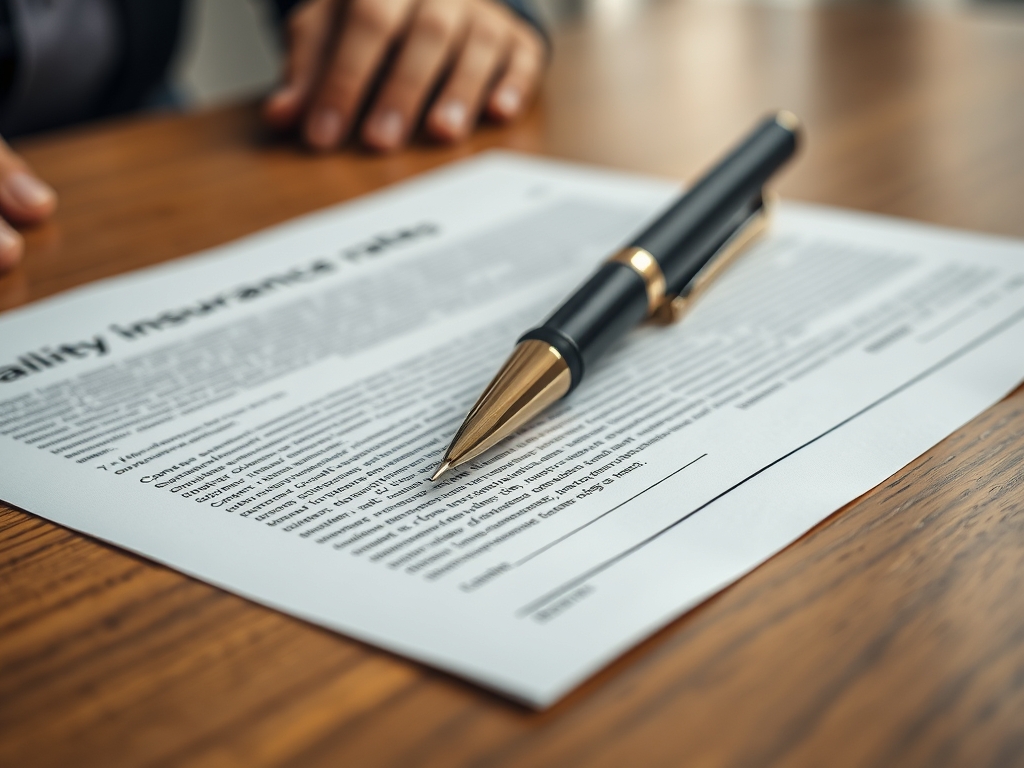
Navigating the complex world of business insurance can feel overwhelming, especially when you’re trying to find liability insurance rates. Many business owners worry about unexpected costs and whether they’re getting the best deal. This guide cuts through the confusion, offering clear insights into what affects your rates and how to secure the right coverage.
Understanding how to find liability insurance rates is crucial for protecting your business assets. It’s not just about price; it’s about getting comprehensive protection that fits your specific needs. Let’s dive into the factors that influence your premiums and how you can make informed decisions.
Common Challenges with find liability insurance rates
Many business owners struggle to accurately find liability insurance rates that reflect their true risk profile. One common frustration is the sheer variability in quotes. It’s not uncommon to receive vastly different prices from different insurers for seemingly identical coverage. This can lead to confusion and a feeling that the market is unpredictable.
Another pain point is understanding what specific factors drive these costs. Businesses often feel they lack transparency, making it hard to know if they’re overpaying. Finally, the administrative burden of gathering information and comparing multiple proposals can be time-consuming, especially for small business owners already juggling multiple responsibilities.
Understanding General Liability Insurance Costs in 2026
The cost of general liability insurance can vary significantly, impacting your ability to find liability insurance rates that are both affordable and adequate. For low-risk businesses, rates can start as low as $19.99 per month. However, for businesses with higher risk profiles or in specialized industries, premiums can easily exceed $300 per month.
The average monthly cost for general liability insurance generally ranges from $27 to $2,298. This wide spectrum highlights the importance of personalized quotes. Factors like your industry, business size, location, and even your claims history play a substantial role in determining your final premium. Insurers use these data points to assess the likelihood of a claim being filed.
Here’s a general breakdown of what you might expect:
| Coverage Type | Monthly Cost (Low) | Monthly Cost (High) | Ideal For |
|---|---|---|---|
| General Liability | $19.99 | $300+ | Most small to medium businesses |
| Professional Liability (E&O) | $25 | $100+ | Service-based businesses, consultants, freelancers |
| Product Liability | Varies greatly based on product risk | Varies greatly based on product risk | Businesses that manufacture or sell products |
These figures are estimates, and your actual costs may differ. It’s essential to get a personalized quote to accurately find liability insurance rates for your specific business needs.
State Requirements for find liability insurance rates
While many states don’t mandate general liability insurance for all businesses, certain industries or specific contracts may require it. For instance, if you’re entering into a lease agreement or a contract with a larger entity, they will likely stipulate liability coverage as a condition of doing business. Understanding these requirements is key to successfully find liability insurance rates that meet contractual obligations.
Some states do have specific liability insurance requirements for certain professions, like contractors or healthcare providers. It’s crucial to be aware of your state’s regulations to ensure compliance. For detailed information on state-specific insurance mandates, you can refer to resources like the Small Business Administration (SBA), which provides guidance on business regulations and compliance.
Learn more about small business regulations.
Step-by-Step Coverage Guide
Securing the right liability insurance involves a systematic approach. This guide helps you navigate the process to find liability insurance rates that offer optimal protection.

Here’s how to approach it:
- Assess Your Business Risks: Identify potential liabilities specific to your industry and operations. Consider customer injuries, property damage, product defects, and professional errors.
- Determine Coverage Needs: Based on your risk assessment, decide on the types of liability insurance you need (general, professional, product) and the appropriate coverage limits. It’s wise to consult with an expert to ensure you don’t underestimate your needs.
- Gather Necessary Information: Insurers will ask for details about your business, including its history, revenue, number of employees, services offered, and past claims. Having this readily available will streamline the quoting process.
- Compare Quotes: Don’t settle for the first quote you receive. Shop around from multiple insurance providers. Use online comparison tools or work with an independent insurance broker to find liability insurance rates from various carriers.
- Review Policy Details Carefully: Before purchasing, thoroughly read the policy documents. Understand the coverage, exclusions, deductibles, and terms. This is a critical step to ensure you know exactly what you’re paying for.
- Consider Bundling: Many insurers offer discounts when you bundle multiple types of insurance, such as general liability and commercial property insurance. Explore options for bundling your business insurance to potentially lower your overall costs.
By following these steps, you can more effectively find liability insurance rates that provide robust protection without breaking the bank.
Pros and Cons of Different Liability Insurance Options

Choosing the right liability insurance is a balancing act. General Liability Insurance is a cornerstone for most businesses. Its primary benefit is protecting against common claims like bodily injury, property damage, and advertising injury. However, it typically doesn’t cover professional errors or specific industry risks.
Professional Liability Insurance, also known as Errors & Omissions (E&O) insurance, is vital for service providers. It covers claims arising from mistakes, negligence, or failure to deliver professional services. The downside is that it can be more expensive and doesn’t cover physical harm or property damage.
Product Liability Insurance is essential for manufacturers and retailers. It protects against claims related to injuries or damages caused by defective products. The cost and complexity of this coverage can vary significantly based on the nature of the product and its potential risks.
Money-Saving Tips for finding Liability Insurance Rates
Saving money on liability insurance doesn’t mean compromising on protection. Smart strategies can help you find liability insurance rates that are both affordable and comprehensive. One of the most effective ways is to consistently compare quotes from multiple insurers. Prices can vary significantly, and obtaining several quotes allows you to identify competitive offers.
Another key strategy is risk management. Implementing strong safety protocols, maintaining your property, and providing thorough employee training can reduce the likelihood of claims. Insurers often offer lower premiums to businesses that demonstrate a commitment to risk mitigation. Bundling your policies, such as combining general liability with commercial property insurance, can also lead to substantial discounts. Finally, consider increasing your deductible if your business can afford to absorb a smaller loss in exchange for lower premiums, but ensure this aligns with your financial capacity. For those looking to save on business insurance, these tips are invaluable.
Final Thoughts on find liability insurance rates
Effectively find liability insurance rates requires a proactive and informed approach. By understanding the factors that influence premiums, researching your specific needs, and comparing multiple quotes, you can secure the best possible coverage at a competitive price. Remember that insurance is an investment in your business’s future, protecting it from unforeseen events that could otherwise be financially devastating.

Don’t hesitate to work with an experienced insurance professional who can guide you through the process. They can help you interpret policy details and ensure you’re not missing out on potential savings or essential coverage. Ultimately, finding the right liability insurance is about peace of mind and long-term business security. For more tailored advice on getting the right coverage, consider exploring our comprehensive insurance services.
Frequently Asked Questions About Liability Insurance
Q1: How much will insurance rates increase in 2026?
While predicting exact figures is difficult, industry trends suggest continued increases. For example, in the small group health insurance market, median premium increases have been around 11%, with some insurers seeing changes from -5% to +32%. Business insurance rates can also fluctuate based on economic factors, inflation, and claims trends.
Q2: What’s the going rate for liability insurance?
The “going rate” for liability insurance varies widely. For minimum auto liability coverage, average monthly costs in 2025 ranged from $41 in Colorado to $96 in Connecticut. For general business liability, average monthly costs for small businesses can be as low as $30-$75, but can go much higher depending on industry and risk factors.
Q3: Is general liability insurance required by law?
In most U.S. states, general liability insurance is not legally mandated for all businesses. However, it is often required by landlords, lenders, clients, or for specific permits and licenses. Some industries, like construction, may have state-specific requirements.
Q4: How can I lower my general liability insurance costs?
You can lower costs by improving your business’s risk management practices, increasing your deductible (if financially feasible), bundling policies, maintaining a good claims history, and shopping around for quotes from multiple insurers. Demonstrating a commitment to safety can also help.
Q5: What’s the difference between general liability and professional liability insurance?
General liability insurance covers third-party claims of bodily injury, property damage, and advertising injury. Professional liability insurance (E&O) covers claims related to errors, omissions, or negligence in the professional services you provide. They protect against different types of risks.
Need Expert Guidance?
Confused about your find liability insurance rates options? Speak directly with a licensed insurance underwriter. We offer free consultations to help you understand your needs and tailor a policy that fits your budget and lifestyle.
RELATED POSTS
View all


California Liability Cost: How to Get Cheap Quotes & Save on Business Insurance
February 3, 2026 | by Waassla Research Team
Tattoo artist liability: Cheap Insurance Quotes & How to Save on Costs
February 3, 2026 | by Waassla Research Team

Buy General Liability: Get Cheap Quotes & Save on Business Insurance Costs Today
February 3, 2026 | by Waassla Research Team