

Compare equipment financing offers: How to Save on Equipment Costs & Get the Best Quotes
February 24, 2026 | by Waassla Research Team

Struggling to find the right deal when you need to Compare equipment financing offers? Many business owners feel overwhelmed by the sheer volume of options and the complex jargon. This guide cuts through the noise to help you make informed decisions in 2026.
Securing the right financing for your business equipment is crucial for growth. It’s not just about getting the funds; it’s about finding a sustainable, cost-effective solution. This is where understanding how to compare equipment financing offers becomes paramount.
Common Challenges with Compare equipment financing offers
Many entrepreneurs find the process of comparing equipment financing offers daunting. Common frustrations surface regularly in online forums and discussions.
One major pain point is the perceived lack of transparency in pricing and terms. Lenders might present offers that look good on the surface but hide hidden fees or unfavorable conditions. This makes it hard to truly compare equipment financing offers apples-to-apples.
Another significant hurdle is the eligibility criteria. Startups or businesses with less-than-perfect credit often face rejections or are offered very high interest rates. This can make essential equipment purchases seem out of reach.
Finally, understanding the true cost of ownership, including insurance and maintenance, is often overlooked. Businesses can get locked into financing deals without fully appreciating the ongoing financial commitment required to compare equipment financing offers effectively.
Understanding Equipment Financing Costs in 2026
When you compare equipment financing offers, understanding the associated costs is vital. These costs can vary significantly based on the lender, your business’s financial health, and the type of equipment.
Here’s a general breakdown of what you might encounter:
| Coverage Type | Monthly Cost (Low Estimate) | Monthly Cost (High Estimate) | Ideal For |
|---|---|---|---|
| Equipment Loan (Secured) | $200 | $1,500+ | Businesses with good credit and collateral. |
| Lease Financing | $150 | $1,000+ | Businesses wanting flexibility or to avoid ownership. |
| SBA Loans | $180 | $1,200+ | Businesses needing competitive rates and longer terms. |
| Invoice Financing (as collateral) | $50 (per $10k financed) | $150 (per $10k financed) | Businesses needing quick access to working capital against receivables. |
Remember, these are estimates. Down payments can range from 0% to 20%, and interest rates typically depend on your credit score and the loan term. Always ask for a full breakdown of all fees.
State Requirements for Compare equipment financing offers
While federal regulations provide a framework, specific state laws can influence equipment financing. These can include usury laws that cap interest rates, or specific disclosure requirements.
It’s essential to be aware of the legal landscape in your operating state. Understanding these regulations helps you ensure that the offers you compare are compliant and fair. For instance, some states may have stricter rules regarding collateral and repossession procedures.
You can find detailed information on business lending laws and regulations by consulting your state’s official government website. For a broader understanding, resources like the Small Business Administration (SBA) offer valuable insights into federal lending programs and general requirements that often influence state-level practices.
Step-by-Step Coverage Guide
Navigating the landscape to compare equipment financing offers requires a systematic approach. Follow these steps to ensure you get the best deal for your business.

- Assess Your Needs: Clearly define the type of equipment you need, its cost, and how it will benefit your business. This clarity is the first step in any smart financial decision.
- Check Your Credit: Obtain your business and personal credit reports. Lenders will scrutinize these to determine your eligibility and interest rates when you compare equipment financing offers.
- Gather Financial Documents: Prepare your business plan, financial statements, tax returns, and bank statements. This documentation is crucial for lenders to assess your financial stability.
- Research Lenders: Explore various financing options, including banks, credit unions, online lenders, and specialized equipment financing companies. Each offers different terms and requirements.
- Request Multiple Quotes: Don’t settle for the first offer. Actively seek out and request detailed proposals from at least three to five lenders. This is how you truly compare equipment financing offers.
- Scrutinize Terms and Conditions: Carefully review interest rates, loan terms (length of repayment), fees (origination, late fees, prepayment penalties), collateral requirements, and any covenants.
- Understand Insurance Needs: Ensure the equipment is adequately insured. This often involves specific equipment insurance, which may be a condition of your financing agreement.
- Read the Fine Print: Pay close attention to clauses regarding default, early repayment, and the lender’s rights. This due diligence is critical before signing anything.
- Negotiate (If Possible): If you have strong credit and a solid business case, you may have room to negotiate terms like interest rates or fees.
- Finalize and Secure: Once you’ve chosen the best offer, complete the application process and sign the agreement. Ensure you understand all your obligations.
By following these steps, you can confidently compare equipment financing offers and secure the best possible terms.
Pros and Cons of Different Financing Options
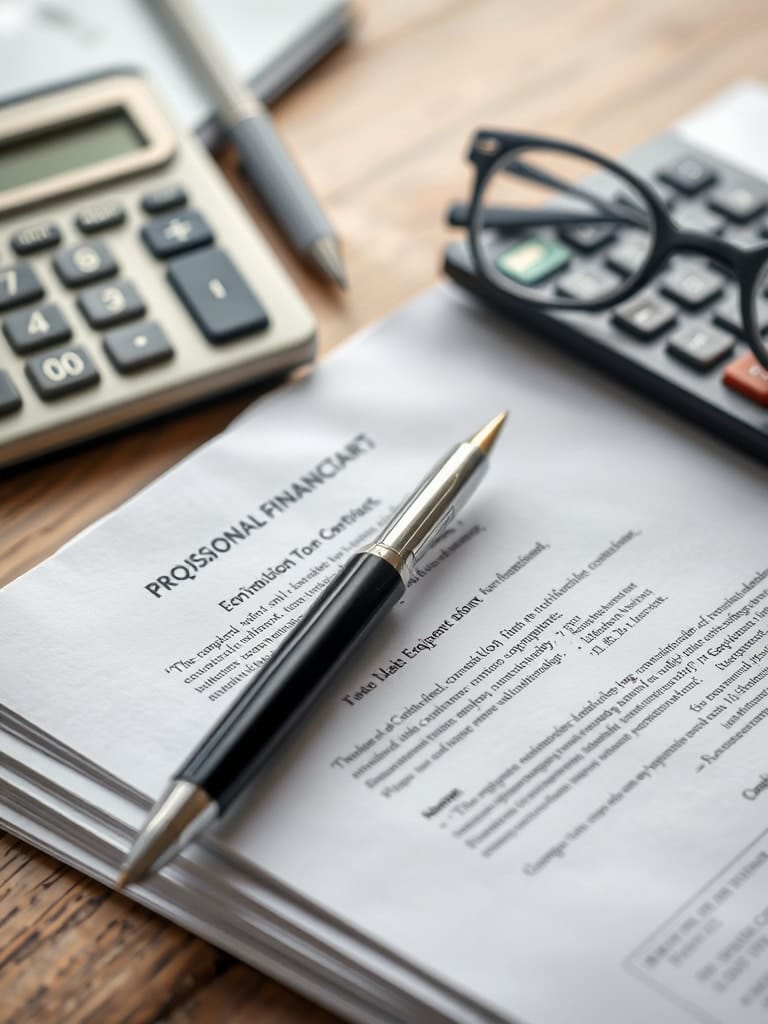
When you compare equipment financing offers, different structures suit different business needs.
- Equipment Loans:
- Pros: Ownership of equipment, potential tax benefits (depreciation), often lower interest rates for secured loans.
- Cons: Requires a down payment (typically 10-20%), collateral is at risk, stricter eligibility requirements.
- Leasing:
- Pros: Lower upfront costs, easier to upgrade equipment, predictable monthly payments, potential for off-balance sheet financing.
- Cons: No ownership at the end of the term (unless a buyout option is exercised), can be more expensive over the long term, restrictions on equipment use or modifications.
- SBA Loans:
- Pros: Government-backed, often competitive interest rates and longer repayment terms, can finance up to 100% of equipment cost.
- Cons: Lengthy application process, stringent eligibility criteria, requires significant paperwork.
Choosing the right financing structure is as important as comparing the offers themselves.
Money-Saving Tips When You Compare Equipment Financing Offers
Saving money on equipment financing involves more than just finding the lowest interest rate. Proactive strategies can significantly reduce your overall costs.
Bundle Your Insurance: If your financing requires specific insurance, explore bundling it with other business policies like general liability or property insurance. This can often lead to discounts. Discussing this with your insurance provider is key.
Implement Robust Risk Management: For lenders, a business that actively manages its risks appears more stable. This can translate into better financing terms. Implement strong internal controls, regular equipment maintenance schedules, and employee training programs.
Compare Quotes Diligently: Never accept the first offer. Dedicate time to gather and compare detailed proposals from multiple lenders. Look beyond the advertised rates to understand all fees and terms. This thorough comparison is the cornerstone of smart financing.
Consider Used Equipment: If your budget is tight, explore financing options for quality used equipment. This can drastically reduce the principal amount needed, lowering your monthly payments and total interest paid.
Final Thoughts on Compare Equipment Financing Offers
Effectively comparing equipment financing offers is a critical step for any business looking to invest in its future. By understanding the costs, requirements, and available options, you can secure financing that supports your operational needs without straining your budget.

Take the time to do your homework, ask detailed questions, and read all documentation carefully. The effort you invest now will pay dividends for years to come.
Remember, the goal is not just to acquire equipment but to do so through a financing arrangement that is sustainable and beneficial to your business’s long-term financial health. Always ensure you have adequate insurance coverage in place to protect your investment.
Frequently Asked Questions About Equipment Financing
What are the typical terms for equipment financing?
Terms vary by industry and equipment type. For example, trucking equipment might have terms of 60-84 months, while construction machinery could range from 48-72 months. Hospitality equipment often has shorter terms of 24-48 months.
What are the core criteria for getting approved for equipment financing?
Lenders primarily assess your creditworthiness (often a 600+ credit score), financial documentation (2-3 years of tax returns and financial statements), and the collateral value of the equipment itself.
Can I finance 100% of the equipment cost?
Some lenders, including certain online providers and SBA loans, can finance up to 100% of the equipment cost, often with no down payment. However, many traditional loans require a down payment between 10% and 20%.
Are secured loans better for equipment financing?
Secured loans, where the equipment itself serves as collateral, might offer looser eligibility requirements and lower interest rates compared to unsecured loans. This is because the lender has less risk.
What types of equipment can I finance?
You can finance a wide range of business equipment, including machinery, vehicles, technology, office furniture, and specialized tools. The key is that the equipment must be essential for your business operations.
Need Expert Guidance?
Confused about your Compare equipment financing offers options? Speak directly with a licensed insurance underwriter. We offer free consultations to help you understand your needs and tailor a policy that fits your budget and lifestyle.
RELATED POSTS
View all

Contractor Workers Comp Rates: How to Save & Get Cheap Quotes Today
February 27, 2026 | by Waassla Research Team
Best Small Business Workers Comp: How to Save on Quotes & Lower Costs
January 31, 2026 | by Waassla Research Team

Best financing companies: How to Save on Business Insurance Quotes & Costs
February 18, 2026 | by Waassla Research Team