

construction equipment rates: How to Save on Cheap Quotes & Lower Costs
March 12, 2026 | by Waassla Research Team
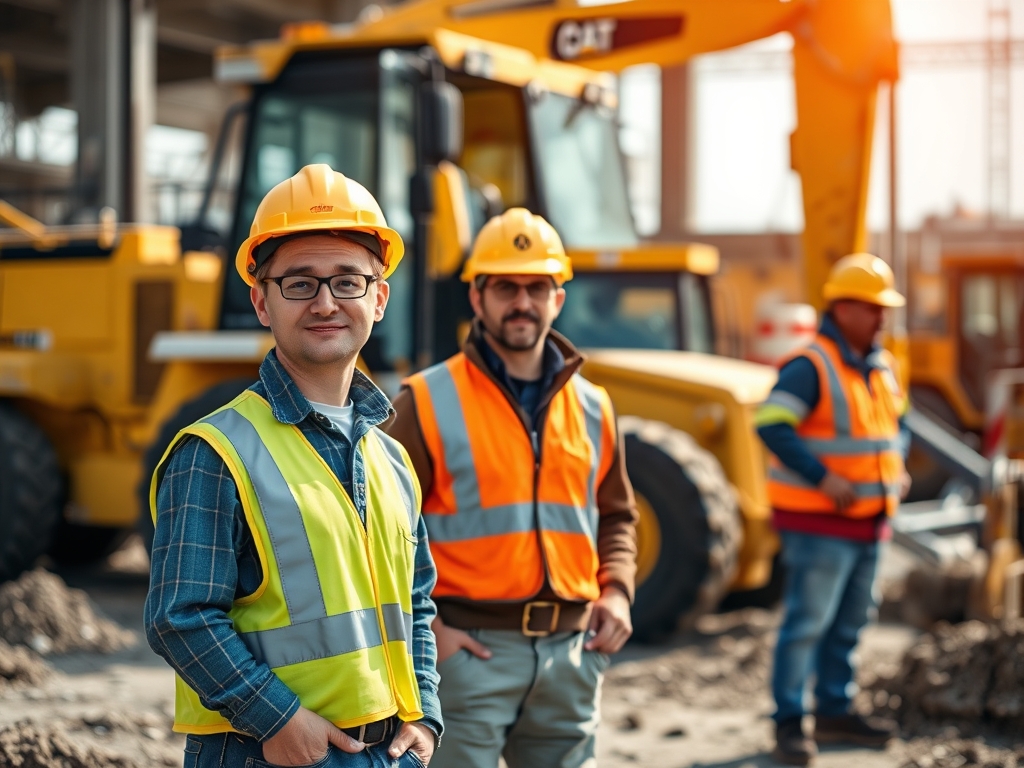
Navigating the world of construction equipment rates can feel like a complex maze. Many contractors struggle to understand how their insurance premiums are calculated, leading to frustration and unexpected costs. This guide cuts through the noise to explain everything you need to know about construction equipment rates and how to secure the best coverage.
Understanding construction equipment rates is crucial for any business owner in this sector. Getting it right ensures your valuable assets are protected without overspending. We’ll break down the factors influencing these rates and provide actionable steps to optimize your insurance costs. If you’re looking for the best construction equipment rates, you’ve come to the right place.
Common Challenges with construction equipment rates
Discussions on platforms like Reddit often highlight recurring pain points for contractors regarding their equipment insurance. One major concern is the perceived lack of transparency in how construction equipment rates are determined. Premiums can fluctuate significantly, leaving business owners unsure of what drives these changes, making budgeting a headache.
Another common complaint revolves around coverage gaps. Many contractors discover too late that their policies don’t adequately cover specific types of equipment or certain operational risks. This can lead to devastating financial losses when an incident occurs, far exceeding the cost of adequate insurance. Ensuring your construction equipment rates reflect comprehensive protection is vital.
The sheer volume of options and insurance jargon can also be overwhelming. Many contractors feel pressured into making quick decisions without fully understanding the implications for their construction equipment rates. This can result in policies that are either insufficient or unnecessarily expensive, neither of which serves the business well.
Finally, the process of claims can be another source of anxiety. Navigating deductibles, policy exclusions, and repair timelines can be stressful, especially when you’re eager to get back to work. A smooth claims process is often as important as the initial construction equipment rates themselves.
Understanding Your Costs: Averages for Construction Equipment Rates
The cost of insuring your construction equipment is highly variable. Several factors influence your construction equipment rates, including the type and value of the equipment, your claims history, your location, and the specific coverages you select. Here’s a general overview based on industry data, though remember these are estimates.
| Coverage Type | Estimated Monthly Cost (Low) | Estimated Monthly Cost (High) | Ideal For |
|---|---|---|---|
| Inland Marine (Equipment Floater) | $80 | $500+ | Contractors with mobile equipment and tools. |
| General Liability (often bundled) | $50 | $300+ | Protecting against third-party bodily injury or property damage. |
| Commercial Auto (for transport) | $75 | $400+ | Vehicles used to transport equipment. |
| Builder’s Risk (for projects) | Varies greatly by project value | Varies greatly by project value | New construction or renovation projects. |
These figures represent a broad spectrum. A small landscaping business with a few pieces of owned equipment will have vastly different construction equipment rates than a large excavation company operating heavy machinery across multiple job sites.
State Requirements for construction equipment rates
Insurance requirements vary significantly from state to state. While there’s no universal federal mandate for insuring construction equipment specifically, most states require businesses to carry certain types of insurance to operate legally and protect themselves. For instance, many states mandate workers’ compensation insurance, which indirectly impacts your overall business insurance costs and can affect how your construction equipment rates are viewed.
General liability insurance is often a de facto requirement, especially when bidding on projects or entering into contracts. Some states may also have specific stipulations regarding commercial auto insurance if you use vehicles for your business operations, including transporting equipment. Always verify the specific legal requirements in the states where you conduct business to ensure compliance and avoid penalties.
Step-by-Step Coverage Guide
Securing the right insurance for your construction equipment involves a systematic approach. Following these steps will help you find suitable construction equipment rates and comprehensive protection.

- Assess Your Needs: Inventory all your equipment. Note its make, model, serial number, and current value. Identify potential risks associated with each piece and where it’s typically used.
- Understand Coverage Types: Familiarize yourself with common insurance policies like Inland Marine (equipment floater), General Liability, Commercial Auto, and Builder’s Risk. Each serves a distinct purpose in protecting your business and influencing your construction equipment rates.
- Gather Documentation: Have records of equipment ownership, maintenance logs, past insurance policies, and any relevant safety certifications ready. This information is crucial for accurate quoting.
- Get Multiple Quotes: Don’t settle for the first quote you receive. Contact several reputable insurance providers or work with an independent insurance broker who can shop around for you. Comparing construction equipment rates from different carriers is key to finding the best value.
- Review Policy Details Carefully: Before signing, thoroughly read the policy. Pay close attention to deductibles, coverage limits, exclusions, and any endorsements. Ensure it aligns with your operational needs and the risks you face.
- Consider Bundling: Many insurers offer discounts when you bundle multiple policies, such as general liability, commercial auto, and equipment insurance. This can lead to more favorable overall construction equipment rates.
- Implement Risk Management: Demonstrate to insurers that you take risk management seriously. This includes regular equipment maintenance, proper training for operators, and secure storage. Strong risk management can lead to lower construction equipment rates over time.
Remember, the goal is not just to find the lowest price, but the best overall value for your construction equipment rates and protection.
Pros and Cons of Different Insurance Approaches
When looking at construction equipment rates, you’ll find various ways to structure your coverage. Each has its advantages and disadvantages.
- Owned Equipment Insurance:
- Pros: Provides direct coverage for equipment you own, often on a named perils or all-risk basis. You have full control over its use and maintenance.
- Cons: Can be more expensive if you have a large, diverse fleet. Depreciation can sometimes be a factor in payout amounts.
- Rented Equipment Insurance:
- Pros: Typically less expensive than insuring owned equipment as you only pay when you rent. Often covered by the rental company’s policy, which you might pay for.
- Cons: Coverage is temporary and only applies when the equipment is in your possession. You may have less control over the terms and conditions.
- Contractor’s Tools & Equipment Insurance (Inland Marine):
- Pros: Covers a broad range of tools and equipment, both owned and sometimes rented, regardless of location. This is often the primary policy for construction equipment rates.
- Cons: May have specific limits for individual items or total aggregate limits. Requires careful listing of significant assets.
Money-Saving Tips for Construction Equipment Rates
Optimizing your construction equipment rates doesn’t mean sacrificing essential protection. Strategic planning can lead to significant savings.
- Bundling Policies: As mentioned, combining your general liability, commercial auto, and equipment insurance with a single carrier can often result in a multi-policy discount. This is a common way to reduce overall construction equipment rates.
- Improve Risk Management: Implement robust safety protocols, regular equipment maintenance schedules, and secure storage solutions. Insurers reward businesses that actively mitigate risk, potentially leading to lower premiums.
- Increase Deductibles: While it means a higher out-of-pocket expense if you file a claim, increasing your deductibles can lower your monthly or annual construction equipment rates. Assess your financial capacity to handle a higher deductible before making this change.
- Choose the Right Equipment: When purchasing or renting, consider the insurance implications. Newer, well-maintained equipment may have lower premiums, but older, specialized, or high-value items can significantly increase your construction equipment rates.
- Accurate Valuations: Ensure your equipment is valued accurately. Over-insuring leads to higher premiums, while under-insuring can leave you underprotected. Regularly update valuations as equipment depreciates or if you make upgrades.
Final Thoughts on construction equipment rates
Understanding and managing your construction equipment rates is a continuous process. It requires diligence, proactive risk management, and a clear understanding of your business operations.

By staying informed, comparing quotes regularly, and working with knowledgeable insurance professionals, you can secure the coverage you need at competitive construction equipment rates. Don’t hesitate to seek expert advice to tailor a policy that truly fits your business. For more insights on protecting your business, explore our comprehensive insurance guides.
Frequently Asked Questions about Construction Equipment Rates
Is construction equipment a 5 or 7-year property for tax purposes?
For tax depreciation purposes, construction equipment is generally considered a 5-year property. This means it can be depreciated over a shorter period compared to assets like office furniture, which are typically classified as 7-year property.
What is the average cost of construction equipment insurance?
The average cost can range significantly, from a few hundred dollars per year for basic coverage on a few pieces of equipment to tens of thousands for large fleets and high-value machinery. Factors like coverage type, equipment value, location, and claims history heavily influence construction equipment rates.
How do I get the best construction equipment rates?
To get the best construction equipment rates, shop around and get quotes from multiple insurers, consider bundling policies, maintain a good claims history, implement strong risk management practices, and consider increasing your deductibles if financially feasible.
What does construction equipment insurance cover?
Construction equipment insurance, often in the form of an Inland Marine policy, typically covers physical loss or damage to your tools and equipment due to events like theft, fire, vandalism, or accidents. It can also cover rented equipment and liabilities arising from its use.
Can I insure rented construction equipment?
Yes, you can insure rented construction equipment. Some policies, like contractor’s tools and equipment insurance, can extend coverage to rented items. Alternatively, rental companies often offer their own insurance or damage waiver options, which you should carefully review.
Need Expert Guidance?
Confused about your construction equipment rates options? Speak directly with a licensed insurance underwriter. We offer free consultations to help you understand your needs and tailor a policy that fits your budget and lifestyle.
RELATED POSTS
View all

Minimize E&O Costs: Your Guide to Cheaper Quotes & Saving Strategies
February 7, 2026 | by Waassla Research Team

Get working capital now: Cheap Business Insurance Quotes for Cost Savings
March 11, 2026 | by Waassla Research Team

small business E&O: How to Save on Quotes & Lower Your Cost – A 2026 Guide
March 16, 2026 | by Waassla Research Team