

Reduce Commercial Auto Costs: Get Cheap Quotes & Save Big on Business Car Insurance
February 5, 2026 | by Waassla Research Team
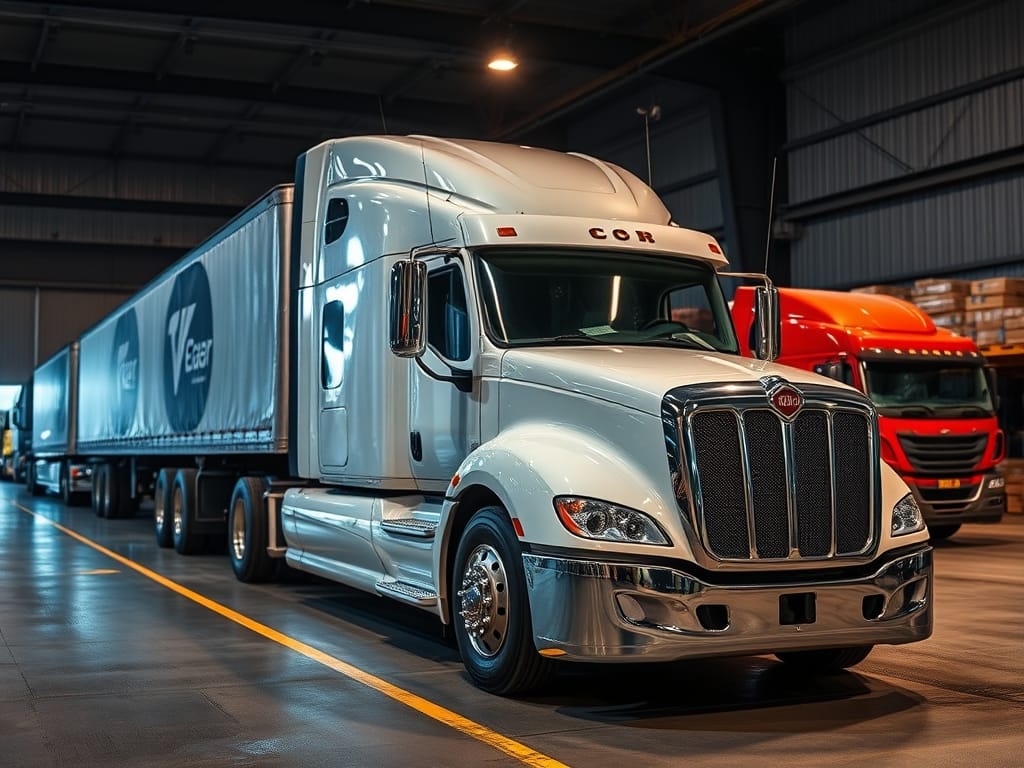
Are you tired of seeing your commercial auto insurance premiums climb? Understanding how to reduce commercial auto costs is crucial for any business operating vehicles. Many business owners feel stuck, paying more each year without clear reasons or solutions.
This guide will cut through the confusion. We’ll explore the current landscape, common pain points, and actionable strategies to lower your insurance spend. Let’s get your business moving forward without breaking the bank on insurance.
Common Challenges with reduce commercial auto costs
Navigating commercial auto insurance can feel like a maze. Many business owners express frustration over:
- Unpredictable Rate Hikes: “My rates went up 15% this year, and nobody can explain why!” This is a common complaint. Insurers adjust rates based on various factors, including industry-wide claims, inflation, and even localized weather events. Understanding these drivers is the first step to tackling them.
- Confusing Policy Fine Print: “I thought I was covered for X, but the claim was denied because of this clause.” Policy language can be complex, leading to unexpected out-of-pocket expenses. It’s vital to have clarity on deductibles, coverage limits, and exclusions to avoid costly surprises.
- Limited Options for Small Businesses: “It feels like only big fleets get the good deals.” Small businesses often struggle to find tailored, affordable coverage. They may not have the leverage of larger fleets, making it harder to negotiate or find insurers specializing in their niche.
- The “Set It and Forget It” Trap: Many business owners renew their policies year after year without reassessing their needs or shopping around. This passive approach often leads to overpaying for coverage that might no longer be the best fit or the most cost-effective.
Understanding Commercial Auto Insurance Costs
The cost of commercial auto insurance is highly variable. It’s not a one-size-fits-all price. Factors like vehicle type, usage, driver history, location, and coverage limits all play a significant role. Looking at 2026 projections, while some sources suggest a slight increase in average full-coverage rates (around 1%), specific commercial auto costs can fluctuate more dramatically.
Here’s a general breakdown of what you might expect, keeping in mind these are averages and your actual costs will differ:
| Coverage Type | Monthly Cost (Low Estimate) | Monthly Cost (High Estimate) | Ideal For |
|---|---|---|---|
| Liability Only | $75 | $300+ | Businesses with older vehicles or those wanting minimal legal protection. |
| Collision & Comprehensive | $150 | $600+ | Newer vehicles, high-value assets, or businesses in high-risk areas. |
| Full Coverage (Liability, Collision, Comprehensive) | $220 | $1200+ | Most businesses requiring robust protection for their vehicles. |
Remember, these figures are a starting point. To truly reduce commercial auto costs, you need to understand each component of your policy.
State Requirements for reduce commercial auto costs
Every state has minimum requirements for commercial auto insurance. These are often liability-focused, covering damages or injuries you cause to others. Failing to meet these minimums can result in significant penalties, including fines, license suspension, and even vehicle impoundment.
For example, in many states, you’ll need to carry at least a certain amount of bodily injury and property damage liability coverage. However, these minimums are often insufficient for businesses, leaving them exposed to substantial financial risk if a serious accident occurs.
It’s crucial to research your specific state’s laws. You can find detailed information on commercial vehicle insurance requirements on the USA.gov website, which often links to state-specific departments of motor vehicles or insurance commissions.
Step-by-Step Coverage Guide to reduce commercial auto costs
Taking control of your insurance costs requires a proactive approach. Here’s how to build a policy that offers the right protection without overspending.

- Assess Your True Needs: Don’t just guess. List every vehicle used for business, its primary use, estimated annual mileage, and who drives it. Consider the value of the vehicles and the potential financial impact of an accident.
- Understand Coverage Types:
- Liability: Covers damages/injuries you cause to others. Essential for legal compliance and protecting your business from lawsuits.
- Collision: Pays for damage to your vehicle from a collision with another object or vehicle.
- Comprehensive: Covers damage to your vehicle from non-collision events like theft, vandalism, fire, or natural disasters.
- Uninsured/Underinsured Motorist (UM/UIM): Protects you if an at-fault driver has no insurance or insufficient insurance.
- Medical Payments (MedPay) / Personal Injury Protection (PIP): Covers medical expenses for you and your passengers, regardless of fault.
- Hired and Non-Owned Auto Liability: Crucial if you rent vehicles or employees use their personal cars for business.
- Evaluate Deductibles: A higher deductible generally means a lower premium. However, ensure you can comfortably afford to pay the deductible out-of-pocket if a claim occurs. This is a key area to reduce commercial auto costs strategically.
- Review Your Fleet: Are all vehicles actively used for business? Are some outdated or underutilized? Downsizing or selling unneeded vehicles can directly lower your premiums.
- Implement Safety Programs: A strong safety culture is paramount. This includes driver training, regular vehicle maintenance, and clear driving policies. Insurers reward businesses that demonstrate a commitment to safety.
- Shop Around Regularly: Don’t stick with the first quote or your current insurer indefinitely. Markets change, and your business needs evolve. Comparing quotes from multiple reputable insurers is one of the most effective ways to reduce commercial auto costs. Check out options to lower commercial auto costs by comparing quotes.
Pros and Cons of Different Deductible Levels

Choosing the right deductible is a balancing act. It directly impacts your premium and your out-of-pocket expense in case of a claim.
Higher Deductibles
- Pros: Significantly lower monthly premiums, making it easier to reduce commercial auto costs on a day-to-day basis.
- Cons: Higher out-of-pocket expense if you need to file a claim. Requires a strong cash reserve to cover potential deductibles.
Lower Deductibles
- Pros: Lower out-of-pocket cost when a claim occurs, providing greater financial predictability for immediate expenses.
- Cons: Higher monthly premiums, which can increase your overall spend over time and make it harder to reduce commercial auto costs.
The sweet spot depends on your business’s financial stability and risk tolerance. A business with ample cash reserves might opt for a higher deductible to secure lower premiums, while a business with tighter cash flow might prefer the security of a lower deductible, even if it means a slightly higher premium. This careful selection is key to managing your budget and learning how to reduce commercial auto costs effectively.
Proven Strategies to Reduce Commercial Auto Costs
Beyond understanding your policy, several strategic moves can significantly lower your insurance spend.
- Bundling Policies: Many insurers offer discounts if you bundle your commercial auto insurance with other business policies, like general liability or commercial property insurance. This can be a simple way to save and streamline your insurance management.
- Invest in Telematics and Safety Technology: Devices that monitor driver behavior (speeding, harsh braking, acceleration) can provide valuable data. Insurers often offer discounts for businesses that use telematics, as it demonstrates a commitment to safer driving and helps identify areas for improvement. This is a proactive way to reduce commercial auto costs.
- Maintain a Clean Driving Record: Driver history is a major rating factor. Implement strict hiring practices, background checks, and ongoing driver training to minimize moving violations and accidents. A good driver record is fundamental to keeping your rates down and helping you reduce commercial auto costs.
- Regularly Review and Update Your Policy: Your business needs change. Did you add or remove vehicles? Change how vehicles are used? Update your insurer immediately. An outdated policy can lead to overpayment or, worse, inadequate coverage.
- Ask About All Available Discounts: Don’t assume you know all the discounts. Inquire about safe driver discounts, fleet safety program discounts, professional association discounts, paid-in-full discounts, and more. Every little bit helps when you’re trying to reduce commercial auto costs.
Final Thoughts on reduce commercial auto costs
Managing and reducing commercial auto insurance costs is an ongoing process, not a one-time fix. By understanding the factors influencing your premiums, carefully selecting coverage, and implementing smart risk management strategies, you can achieve significant savings.

Don’t let rising insurance costs hinder your business growth. Take the time to educate yourself and actively manage your policy. Partnering with an experienced insurance broker can also provide invaluable guidance in finding the best solutions to reduce commercial auto costs for your specific business needs.
Frequently Asked Questions about Commercial Auto Insurance
Q1: Are commercial auto insurance rates going up in 2026?
While some reports suggest a slight increase (around 1%) in average full-coverage car insurance for consumers, commercial auto rates can be more volatile. Factors like inflation, supply chain issues affecting vehicle repair costs, and claims trends will influence commercial rates. It’s essential to stay informed and compare quotes.
Q2: How much does commercial auto insurance typically cost per month?
The average monthly cost can range significantly, from around $220 to over $1200, depending on numerous factors such as the type of vehicles, coverage limits, business industry, and driver history. Small businesses might see average costs around $147 per month for basic coverage, but this is a rough estimate.
Q3: Can I reduce my commercial insurance cost by improving workplace safety?
Absolutely. Reducing risks directly impacts your premiums. Implementing robust safety protocols, providing regular employee training, and ensuring proper equipment maintenance demonstrate to insurers that your business is a lower risk. This can lead to better rates and is a core strategy to reduce commercial auto costs.
Q4: What are the insurance rate trends for commercial lines in 2025?
According to some industry surveys, commercial insurance rates saw a downward trajectory in the latter half of 2024 and early 2025, with increases easing to around 3.8% in the second quarter of 2025. However, this trend can vary by specific line of business.
Q5: What is the average annual cost of commercial auto insurance?
The average annual cost for commercial auto insurance for small businesses is often cited around $1,762. However, this is just an average, and actual costs can be much higher or lower based on individual business factors.
Need Expert Guidance?
Confused about your reduce commercial auto costs options? Speak directly with a licensed insurance underwriter. We offer free consultations to help you understand your needs and tailor a policy that fits your budget and lifestyle.
RELATED POSTS
View all

Best commercial auto insurance: Get Cheap Quotes & Save on Cost | Your Guide
February 12, 2026 | by Waassla Research Team

Contractor Auto Insurance Costs: How to Save on Quotes & Find Cheap Coverage
February 19, 2026 | by Waassla Research Team

Trucking insurance cost questions: How to Save on Quotes & Get Cheap Coverage
March 7, 2026 | by Waassla Research Team